Introduction to Hybrid Supercapacitors
SZ
The demand for efficient and sustainable energy storage solutions is more critical than ever. Among the emerging technologies, hybrid supercapacitors have gained significant attention due to their ability to bridge the gap between traditional batteries and supercapacitors. By combining the strengths of both, they offer a promising path toward transforming energy systems.

What Are Hybrid Supercapacitors?
Hybrid supercapacitors are advanced energy storage devices that integrate the high energy density of batteries with the rapid charge and discharge capabilities of supercapacitors. This unique combination allows them to deliver both immediate power and sustained energy, making them ideal for various applications.
Typically, these devices use a combination of different electrode materials, such as carbon-based materials and metal oxides or conducting polymers. This fusion enhances their overall performance, providing a balanced approach to energy storage.
Key Benefits of Hybrid Supercapacitors
Hybrid supercapacitors offer several advantages over traditional energy storage systems:
- High Energy Density: They store more energy compared to conventional supercapacitors.
- Fast Charging: Capable of charging within seconds, unlike traditional batteries.
- Long Cycle Life: Their ability to endure numerous charge-discharge cycles extends the lifespan of the device.
Applications in Renewable Energy
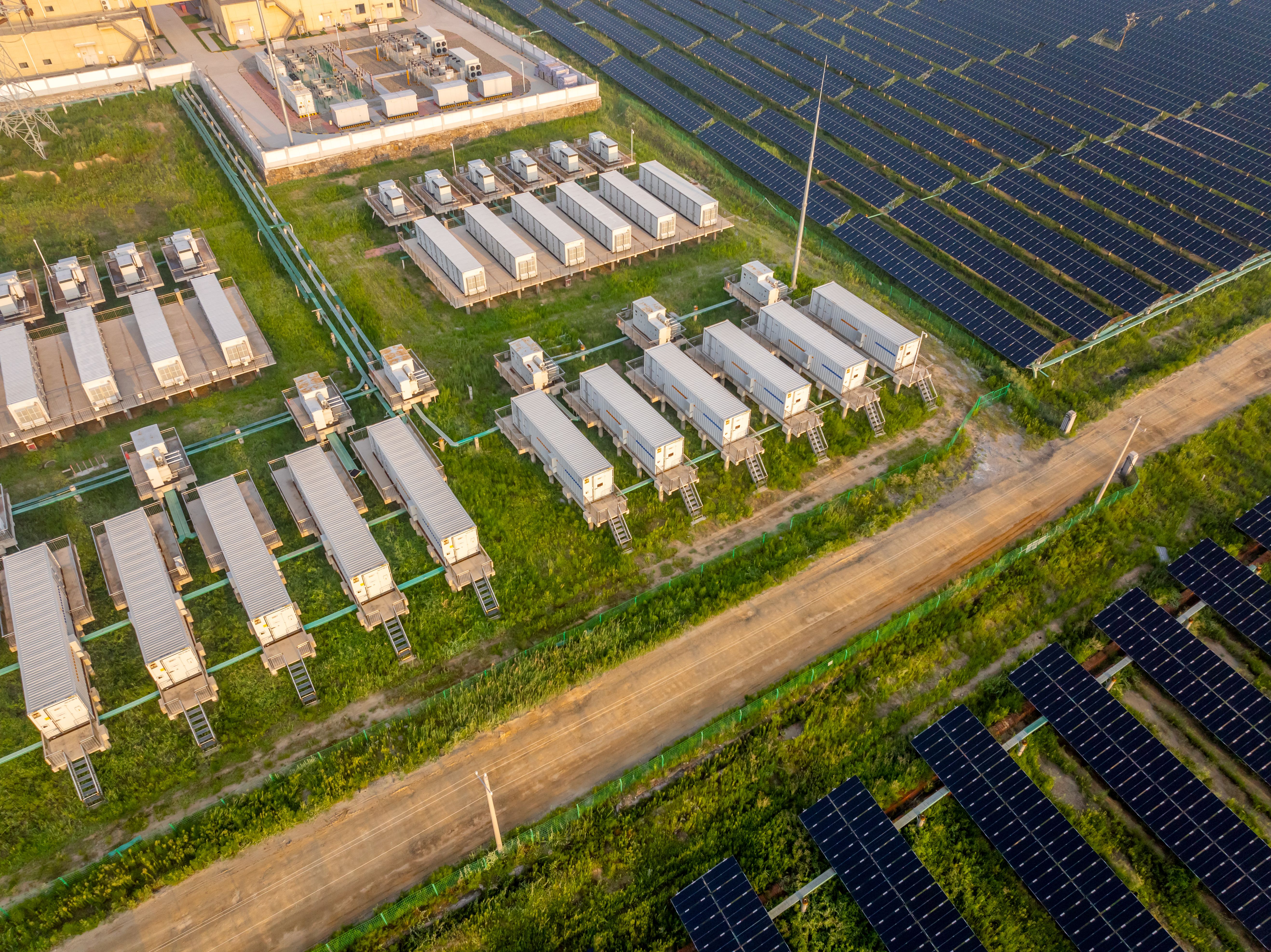
The integration of hybrid supercapacitors in renewable energy systems can significantly enhance efficiency and reliability. In solar and wind power systems, they can help stabilize energy output by providing quick bursts of power during peak demand or when energy production fluctuates.
Moreover, hybrid supercapacitors can aid in load leveling, which balances the supply and demand of electricity on the grid. This capability is crucial for optimizing the use of renewable sources and minimizing reliance on fossil fuels.
Role in Electric Vehicles
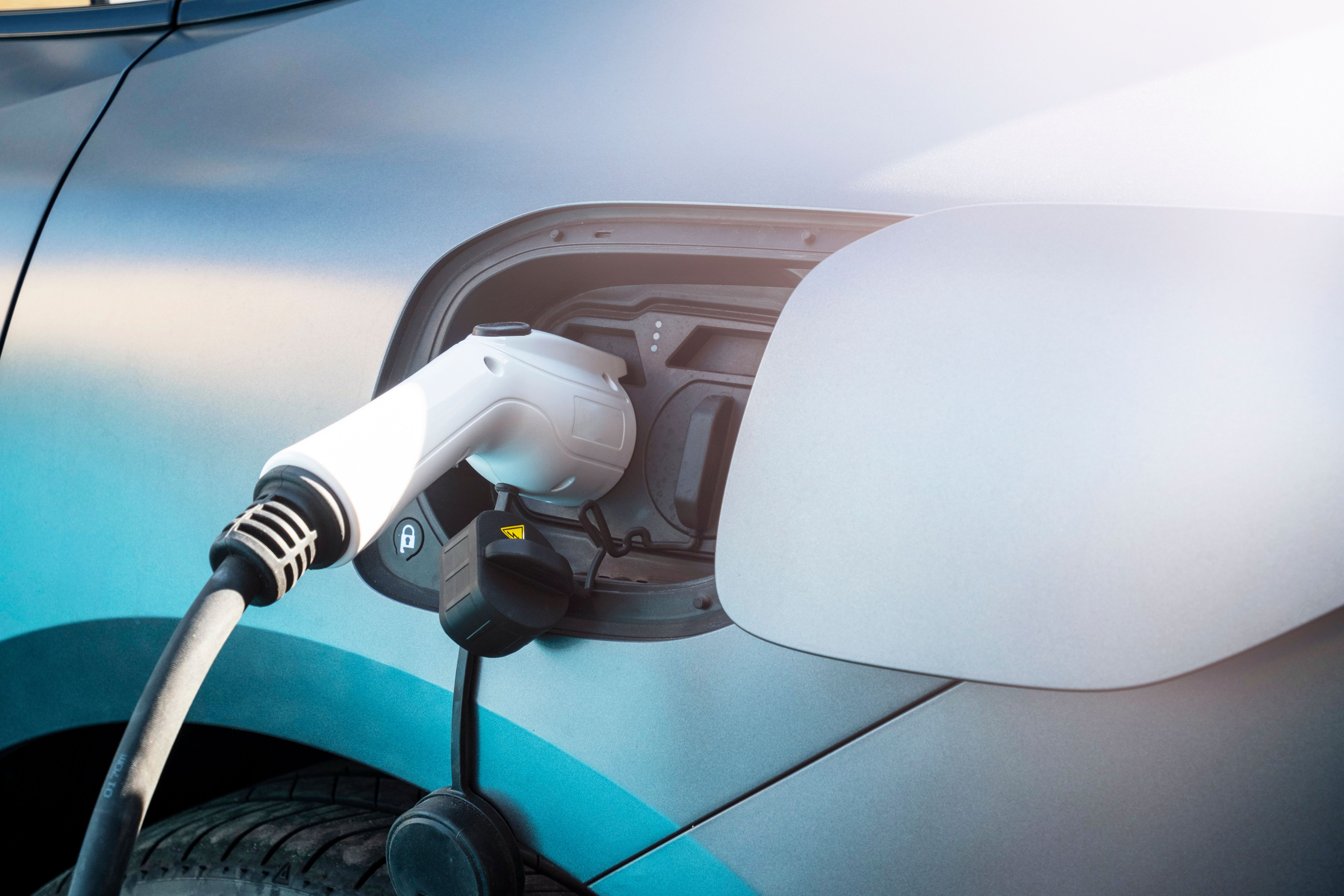
In the realm of electric vehicles (EVs), hybrid supercapacitors are emerging as a crucial technology. Their fast-charging capability is particularly advantageous for EVs, allowing for quicker recharges and more efficient energy use.
Furthermore, their long cycle life ensures that they can withstand the frequent charging and discharging cycles typical in EV applications, reducing the need for frequent replacements and lowering overall maintenance costs.
Challenges and Future Prospects
Despite their many advantages, hybrid supercapacitors face some challenges, such as high production costs and the need for further research to enhance material performance. Addressing these challenges is essential for widespread adoption.
Looking forward, advancements in material science and manufacturing techniques are expected to lower costs and improve the efficiency of hybrid supercapacitors, paving the way for their integration into more sectors.
Conclusion
Hybrid supercapacitors represent a transformative shift in energy storage technology, offering a viable solution to the limitations of traditional systems. As research and development continue, their role in shaping the future of energy systems is poised to grow, contributing to a more sustainable and efficient energy landscape.