How Supercapacitors Enhance Energy Storage Solutions
SP
Understanding Supercapacitors
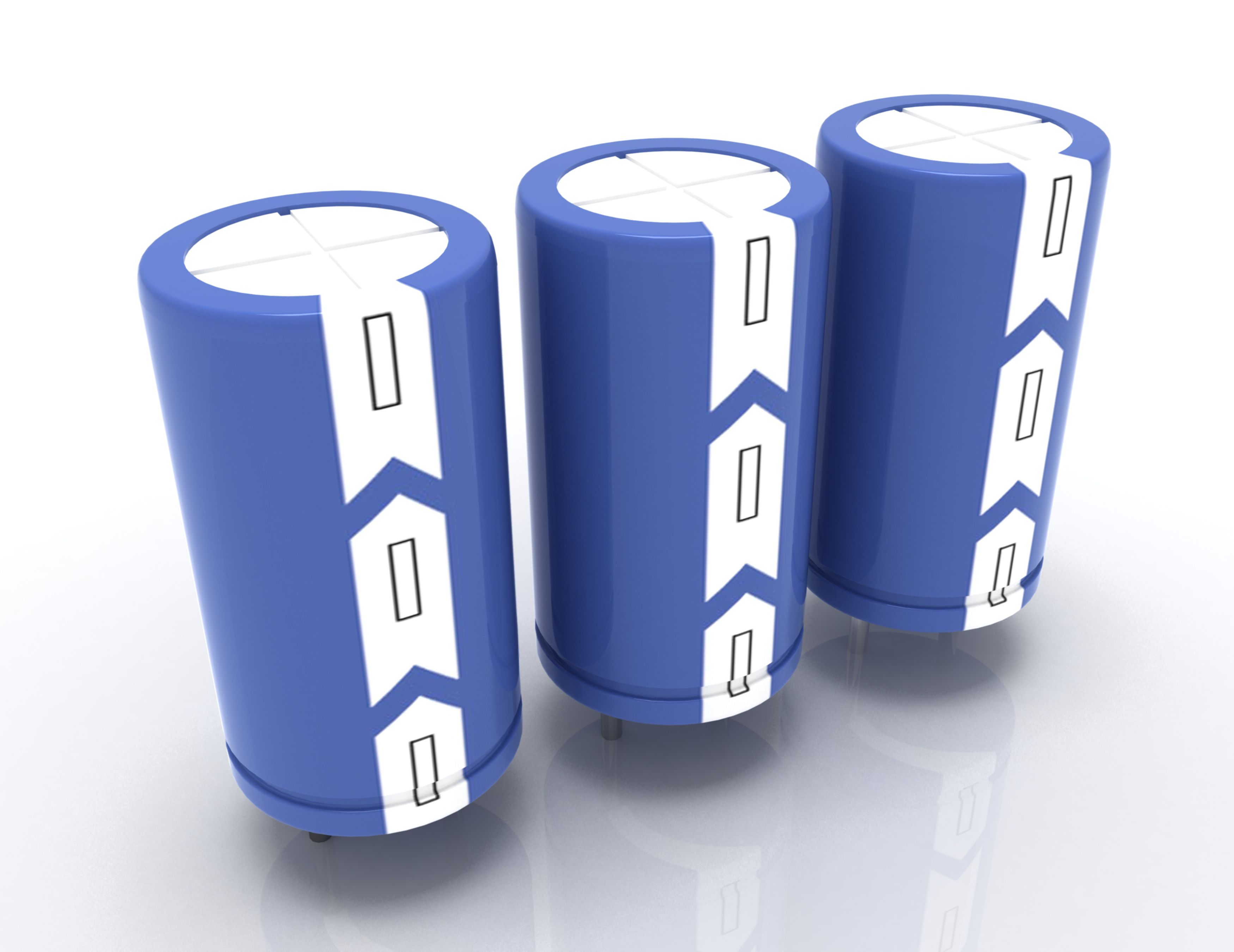
Supercapacitors, also known as ultracapacitors, are a type of energy storage device that bridges the gap between traditional capacitors and rechargeable batteries. They store energy through electrostatic fields rather than chemical reactions, allowing them to charge and discharge rapidly. This unique characteristic makes them an attractive alternative for various energy storage applications.
One of the most significant advantages of supercapacitors is their ability to deliver quick bursts of power when needed. This feature is especially useful in applications requiring rapid energy release, such as in electric vehicles and renewable energy systems.
How Supercapacitors Work
Supercapacitors consist of two electrodes separated by an electrolyte. When a voltage is applied, ions move to the surface of the electrodes, creating a double electric layer. This layer functions as a storage medium, allowing the supercapacitor to hold a substantial amount of energy.
The lack of chemical reactions in supercapacitors means they have a longer lifespan and can endure more charge-discharge cycles compared to batteries. This durability makes them ideal for applications where reliability and longevity are critical.
The Role in Renewable Energy
In renewable energy systems, supercapacitors play a crucial role in smoothing out energy supply. Solar panels and wind turbines generate power intermittently, leading to fluctuations in energy availability. Supercapacitors can rapidly absorb excess energy when demand is low and release it when demand is high, stabilizing the energy output.

Advantages Over Traditional Batteries
Supercapacitors offer several advantages over traditional batteries. They have a higher power density, meaning they can deliver energy at a faster rate. This is particularly beneficial for applications requiring immediate power delivery, such as starting engines or powering fast-moving machinery.
Moreover, supercapacitors are more environmentally friendly, as they do not rely on toxic chemicals or heavy metals often found in conventional batteries. Their ability to function efficiently in extreme temperatures further extends their usability in various industries.
Applications in Electric Vehicles
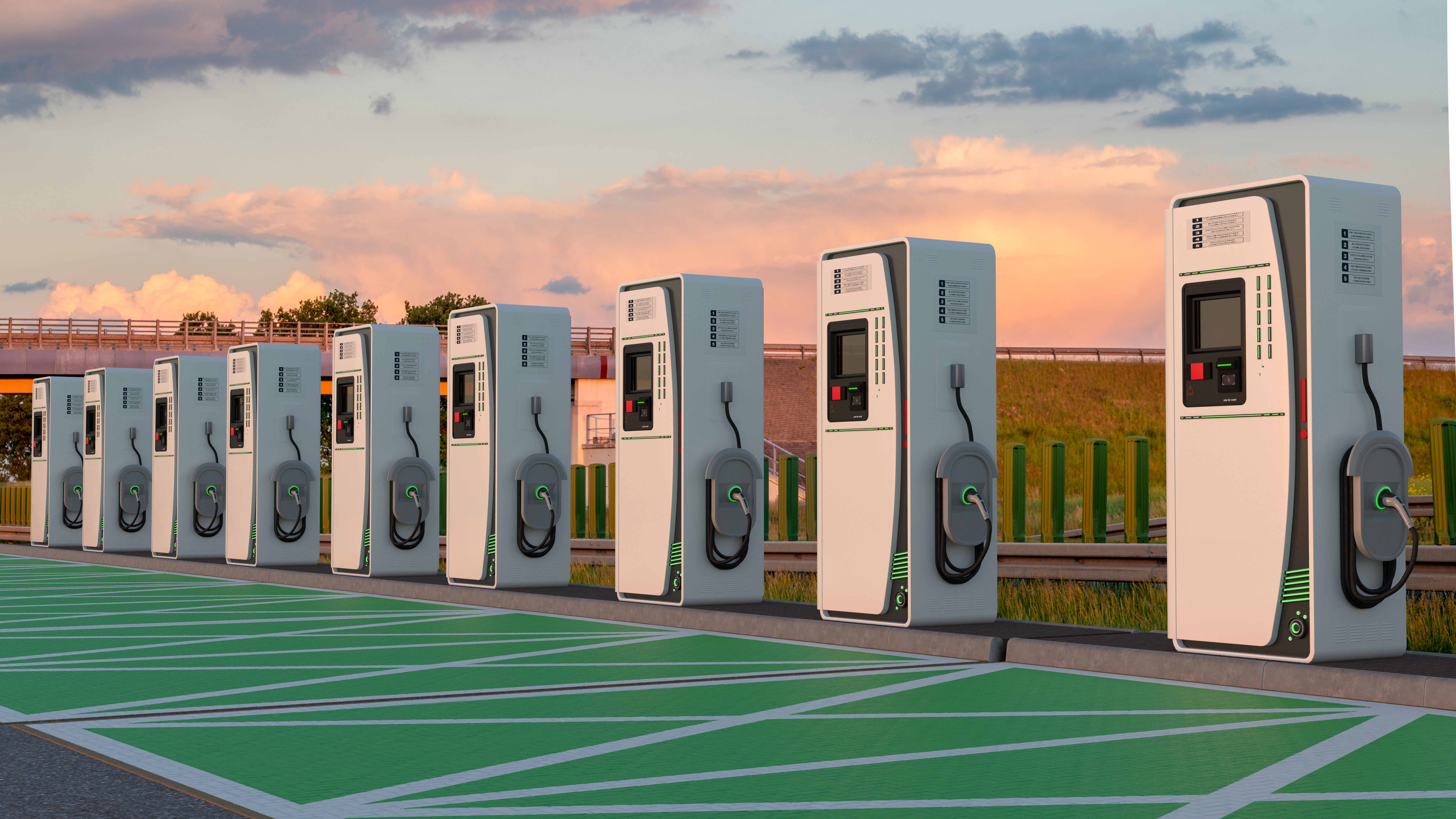
Electric vehicles (EVs) benefit significantly from the integration of supercapacitors. They can provide the quick energy boost needed for acceleration and help recover energy during braking. This not only improves the overall efficiency of EVs but also extends the lifespan of the main battery by reducing its workload.
The Future of Energy Storage
As the demand for efficient and sustainable energy solutions grows, supercapacitors are poised to play a pivotal role in the future of energy storage. Their ability to complement existing battery technologies makes them a vital component in the development of hybrid energy systems.
Research and development in supercapacitor technology continue to advance, promising even greater energy density and efficiency. These advancements will further expand their applications, making them an integral part of the energy landscape.
Conclusion
Supercapacitors enhance energy storage solutions by offering rapid charging and discharging capabilities, long lifespans, and environmental benefits. As technology progresses, their role in powering the world will undoubtedly become more pronounced, driving innovation across various sectors and contributing to a more sustainable future.